
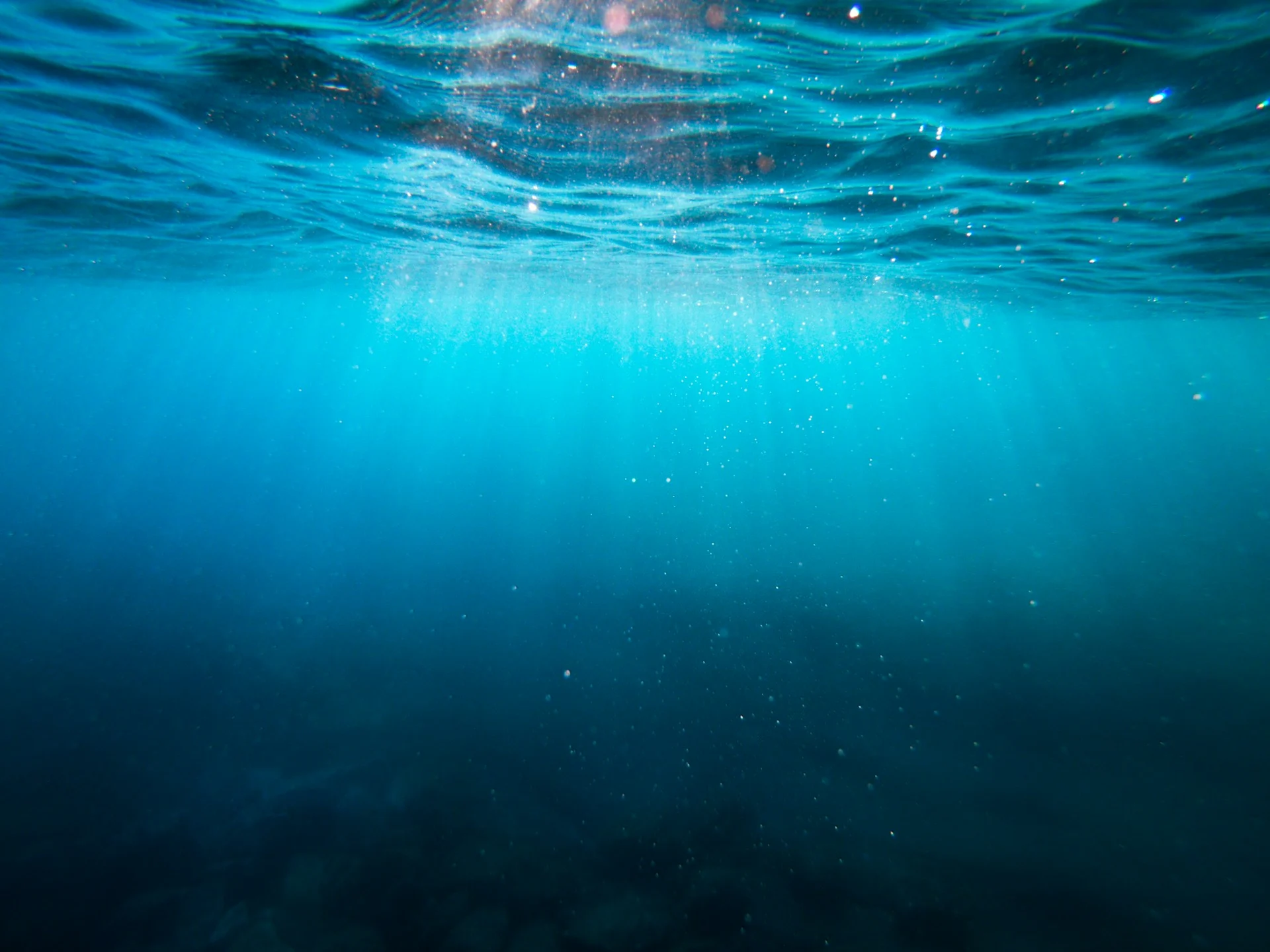
Blue Planet III cloudier footage is not a mistake. The BBC series keeps murky water, drifting plankton and the odd boat or buoy in frame on purpose, so you can tell the animals were filmed and not generated by AI. Nature TV spent decades chasing the cleanest shot. Now a little mess counts as proof.
The Guardian reported the producers’ comments on 24 October 2026. Here is what they said and why it matters beyond one series.
Key takeaways
- Producers are keeping “organic” shots they might once have cut, such as murky water, plankton and visible equipment.
- The BBC says no generative AI was used in the series.
- The series is due on 1 November 2026 on BBC One and BBC iPlayer: six hour-long episodes, narrated by David Attenborough.
- Researchers are separately warning that fake AI animal clips distort how people see wildlife.

Why is Blue Planet III keeping cloudier footage?
AI video tends to look flawless: perfect light, smooth motion, a clear subject. Real ocean filming rarely looks like that. Water clouds, particles drift past the lens and gear sometimes drifts into view.
According to syndicated versions of the Guardian report, executive producer Elizabeth White said AI makes the team “want to be even more authentic”. Commissioning head Jack Bootle said no gen AI was used in the series. I could not open the Guardian page directly, so those quotes come from syndicated copies.
Think of it like handwriting on a signed letter. A slightly wobbly line tells you a person wrote it.
What is Blue Planet III, and when does it air?
It is the third main entry in the BBC Natural History Unit’s ocean series, nearly a decade after Blue Planet II highlighted plastic pollution. Per Wikipedia’s entry, it is scheduled for 1 November 2026 on BBC One, BBC iPlayer and BBC America. Filming took four years, and the producers describe shooting across five oceans.
| Episode | Focus |
|---|---|
| Tropical Seas | Reefs and warm shallows |
| Open Ocean | Life far from land |
| Seasonal Seas | Waters that change with the year |
| Polar Waters | Arctic and Antarctic |
| The Deep | The dark ocean |
| Future Seas | Marine conservation |

Why does AI-generated wildlife footage worry scientists?
A University of Córdoba team writing in Conservation Biology argues that realistic fake animal videos shape what the public believes about wild behaviour. Euronews summarised the study on 21 July 2026.
One viral clip showed birds sheltering chicks, captioned “true mother love”, though males help raise young in 90% of bird species. Others show predators and prey acting affectionately. The authors warn this can create false security around wild animals and feed demand for exotic pets.
A trust problem follows. If viewers cannot tell real from fake, honest footage gets doubted too.
Is this the first authenticity row for Blue Planet?
No. In 2017 the Daily Mail reported that Blue Planet II faced “fakery” claims after the team admitted a fangtooth fish was filmed in a refrigerated chamber. Executive producer James Honeyborne said most footage was shot in the wild, and that macro filming sometimes needs lab conditions.
The difference now is the accuser. Then it was staging. Today it is the suspicion that nothing was filmed at all.
The industry is responding. Terra Mater Studios has launched a Wildlife Footage AI Free Seal, built around one rule: anything a camera can capture must not be recreated or altered with AI.
Can you spot AI wildlife video yourself?
Sometimes. Siwei Lyu of the University at Buffalo, quoted by Popular Science, says animals may move too smoothly or in ways that defy physics, and lighting is often inconsistent. Creators can also lower video quality to hide flaws, so a grainy clip is not proof of anything.
My opinion: murk is a weak signal on its own. It helps as part of a bigger package of proof, such as named crews, behind-the-scenes footage and clear disclosure. For more on how AI is reshaping creative work, see our piece on the Apple Music rebrand made by sound, not by AI.

What happens next
Viewers get the verdict from 1 November 2026, when the first episode is scheduled. Expect more broadcasters to publish AI policies and “no gen AI” statements. Researchers have called for mandatory labelling on platforms, but the Córdoba authors concede global regulation is unlikely soon and push media literacy instead.
FAQ
Does Blue Planet III use AI?
The BBC’s Jack Bootle said no gen AI was used in the series, according to syndicated reports of the Guardian story.
When does Blue Planet III start?
It is scheduled for 1 November 2026 on BBC One and BBC iPlayer, with six one-hour episodes.
Why keep murky shots?
Imperfect, organic footage signals that the animals were really filmed, because AI video usually looks cleaner.
Next step: when you watch, look for the murk, then check the credits and the behind-the-scenes material for how each shot was made.
2 comments