
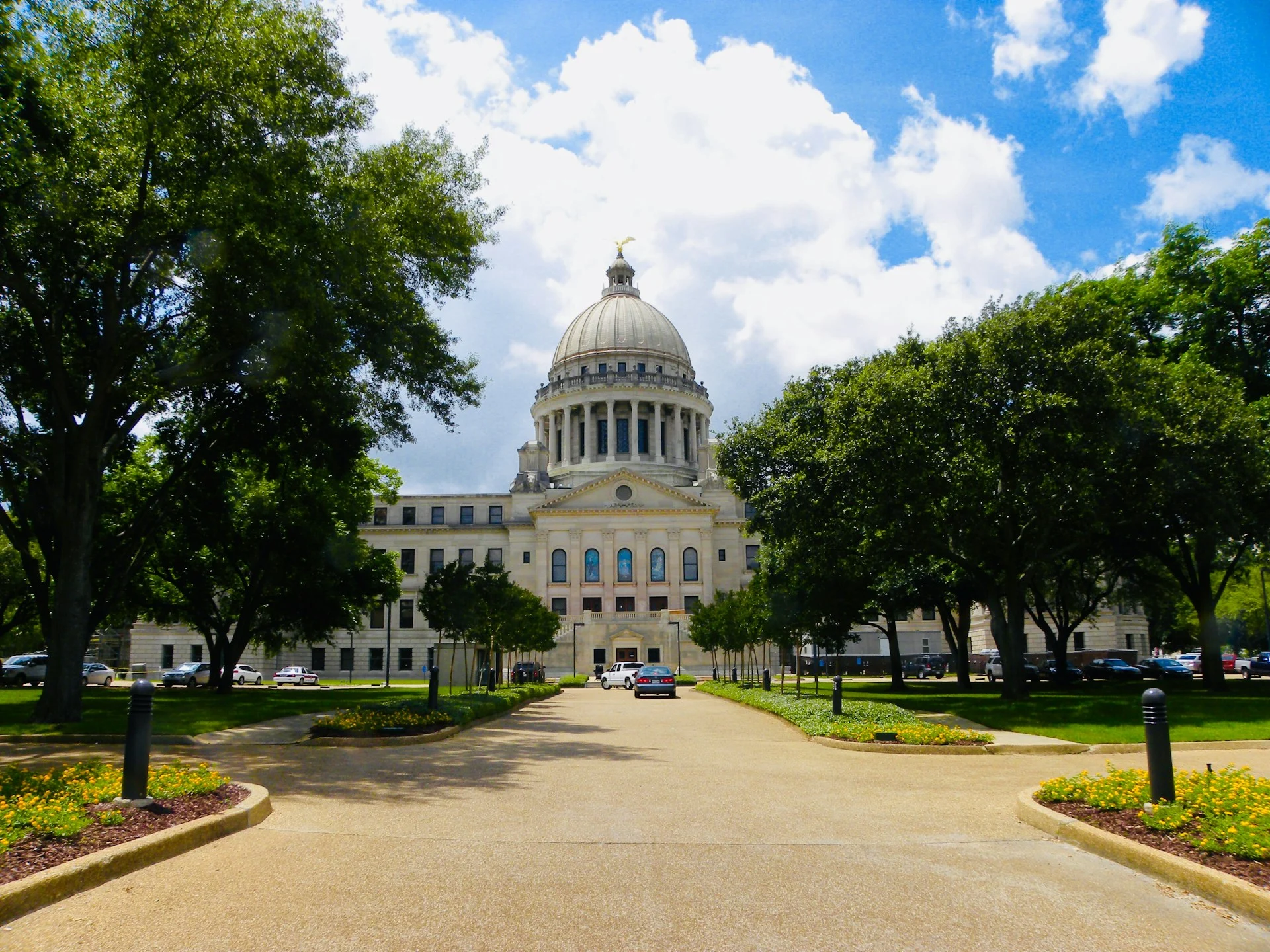
Pennsylvania AI ad labels are now state law. Governor Josh Shapiro signed the Artificial Intelligence Deceptive Advertising Act (Senate Bill 806) on 22 October 2026, and it takes effect 60 days later, around 21 December 2026.
Advertisers who use AI to generate or heavily rework an ad will have to say so. The tricky part is what “heavily” means, and that is where the fine print matters.
Key takeaways
- SB 806 was signed on 22 October 2026 and starts after a 60-day window.
- Ads “significantly modified or generated by artificial intelligence” need a label in the same format as the ad.
- It applies to ads shown in Pennsylvania, even if they were made elsewhere.
- The state Attorney General enforces it; reports differ on the exact penalties.
- Key terms are vague, so expect guidance and arguments before the rules settle.
What does the Pennsylvania AI ad labels law require?
Any ad that has been significantly modified or generated by AI must carry a disclosure. As The Verge first reported, the label has to use the same format as the ad itself.
So a video ad needs a label you can see or hear in the video. A radio spot needs one you can hear. Trade coverage of the bill also says the label should be hard to strip out where that is technically feasible, per MediaPost.
The law reaches ads aimed at Pennsylvanians no matter where the agency or the AI tool sits. A studio in Texas or Berlin is covered if the ad runs in the state.
Which ads need a label, and which do not?
The bill’s sponsor, Sen. Nick Pisciottano, said it does not cover political ads, according to CBS Pittsburgh. Law firm and press summaries also describe the trigger as AI content that misleads buyers about the nature, origin or authenticity of what is sold.
| Scenario | Likely label? |
|---|---|
| Photorealistic AI product shot that never existed | Yes |
| AI-cloned voice in a radio ad | Yes |
| Light retouching or colour correction | Probably not |
| Obvious cartoon or satire | Reports say exempt |
| Political ad | Not covered, per the sponsor |
This table is my reading of the coverage, not legal advice. Sources disagree on a few points, including whether text-only ads are in or out. The Verge’s summary says text counts. Other summaries describe an exemption. Check the enacted text.
Who enforces it, and what are the penalties?
The Pennsylvania Office of Attorney General enforces the law, per CBS Pittsburgh. Reports on the penalties conflict: one cites civil penalties of up to $3,000 per violation, while the local TV report mentions a fine and possible jail time.
I would not quote a number until the official bill text is checked. A single violation could also mean many ads, so the real exposure may depend on how counts are tallied.
How does this compare with New York?
New York already has a narrower rule. Its synthetic performer law, which took effect on 9 June 2026, covers ads that use AI-generated human performers, with fines of $1,000 for a first violation and $5,000 for later ones, according to Cooley.
Pennsylvania’s is broader on paper: it covers images, video and audio, not just fake people. New York’s rule is easier to apply, because a synthetic person is easier to spot than “significantly modified”.
Why is “significantly modified” such a problem?
Nearly every ad workflow now touches AI. Generative fill removes a stray cable, an upscaler sharpens a frame, a model drafts headline options. Is any of that significant?
Think of it like the “organic” food label. Everyone agrees on the idea, and the arguments start at the edge cases. My opinion: the law will work best if the Attorney General publishes clear examples early, because agencies will otherwise label everything defensively, and labels people ignore protect no one.
Platform rules are moving too. Our piece on the Google Gmail ads policy change shows how inboxes and ad networks are tightening their own standards, and brands may find platform rules arrive before enforcement does.
What happens next
The law takes effect 60 days after the 22 October 2026 signing, which lands around 21 December 2026. Between now and then, expect law firms and ad networks to publish compliance checklists.
Watch for three things: Attorney General guidance, the first enforcement action, and other states copying the text. Brands are also choosing to avoid AI in some visible work. See how Apple Music’s rebrand leaned on a human-made story.
FAQ
When does the Pennsylvania AI ad label law start?
It takes effect 60 days after the 22 October 2026 signing, around 21 December 2026.
Does it apply to companies outside Pennsylvania?
Yes, if the ad is shown in Pennsylvania. Where it was made does not matter.
Do I need a label for lightly edited photos?
Probably not. The law targets content “significantly modified or generated” by AI, but the term is undefined, so ask a lawyer about borderline cases.
Next step: audit which of your ads use generative tools, and write down your labelling rule before December. This article is for information only and is not legal advice.
Leave a comment