
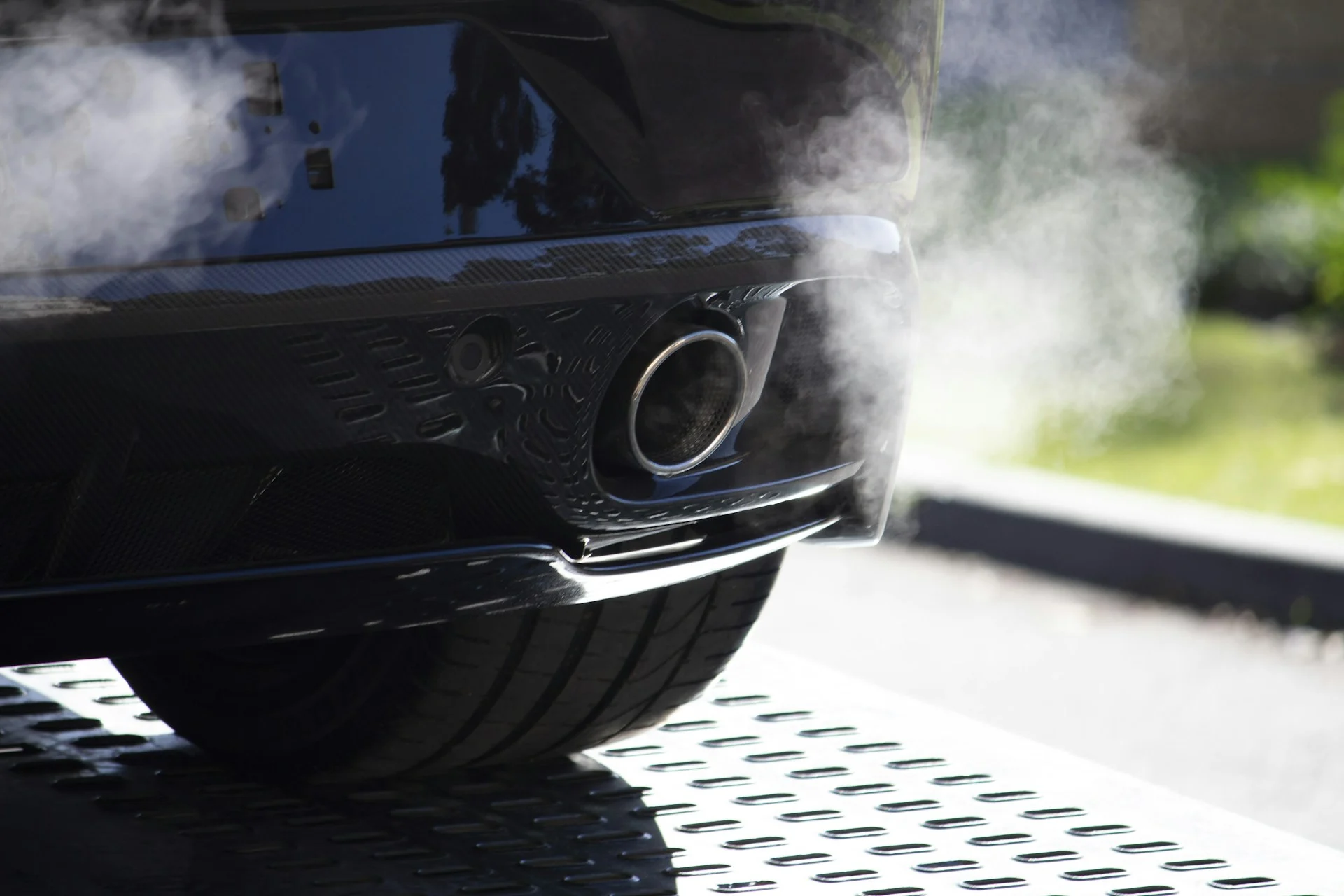
The cheapest defense against catalytic converter theft is the way you park. Thieves need room to lie down, slide under your car and cut, so if you take that room away, most of them will move on to an easier car.
That is the idea behind a tip that took off on Reddit’s r/LifeProTips on 19 October 2026: back your car in against a curb or a wall, ideally with cars parked on both sides. We checked it against police advice and insurance data. It holds up, with a few catches you should know about.
Key takeaways
- Thieves can cut out a converter in a couple of minutes, so anything that slows them down or makes them stand out helps.
- Parking tight to a curb, wall or fence, or between two cars, blocks the easiest way under your car. Police and UK motoring guides both recommend it.
- Thefts have dropped sharply since 2022: State Farm reported a 74% fall in claims in the first half of 2024.
- A replacement still costs real money. State Farm’s average claim was nearly $2,900 in 2023.
Why do thieves steal catalytic converters at all?
A catalytic converter is the box in your exhaust that turns the worst engine gases into less harmful ones. It does that with a coating of precious metals: platinum, palladium and rhodium. Scrap buyers pay for those metals, and that makes the part a target.
It also sits in the open, under the car, held on by a pipe a cordless saw can get through quickly. A Chicago Police tip sheet says removal can take less than two minutes. Think of it as a wallet left on a car seat, except the wallet is bolted under the floor.
Does backing in against a curb or wall stop catalytic converter theft?
It makes theft harder, and harder is usually enough. A thief wants to be in and out fast, ideally while lying in a gap nobody can see. Take that gap away and the job gets slower, louder and riskier.
Official advice says much the same thing. The Hennepin County Attorney’s Office in Minnesota says that if you have to park outside, parking between two vehicles makes the converter harder to reach. UK car site Carwow says to get as close to curbs and fences as you can, and that it is “even better” if the exhaust side of the car faces the curb.
Here’s the catch, and this part is our opinion. On many cars the converter sits near the engine, under the front half of the car. Backing in leaves the front open to the aisle, so the wall behind you does less than the cars beside you. What really protects you is keeping the sides tight.
Carwow also warns against parking with two wheels up on the curb and two on the road. That tilts the car and leaves more room underneath, which is the opposite of what you want.
Which cars do thieves target most?
High-clearance vehicles and hybrids top most lists. Thieves can slide under trucks and SUVs without a jack. A Highway Loss Data Institute bulletin named the 2004-09 Toyota Prius among the most-hit models, and Hennepin County’s list includes older Honda Accords, the Honda Element and Chevy cargo vans.
Fully electric cars have no exhaust, so they have nothing for this kind of thief to take. If you’re weighing a switch, our look at the rise of electric vehicles covers the bigger picture.
Is catalytic converter theft still a problem?
Less than it was, but it hasn’t gone away. State Farm’s claims data, published on 10 September 2024, shows the rise and fall:
| Year | State Farm theft claims | Average claim |
|---|---|---|
| 2019 | 2,500 | $1,900 |
| 2020 | 10,000 | $2,100 |
| 2021 | 32,000 | $2,300 |
| 2022 | 45,000 | $2,500 |
| 2023 | 21,200 | $2,900 |
| Jan-Jun 2024 | 3,800+ | $2,900 |
Look at the last column. Thefts dropped, but each one got more expensive. California still led with more than 2,000 claims in the first half of 2024, followed by Illinois with 540.
5 more ways to protect your converter
Parking well is free. If you live in a hot spot or drive a common target, add one or two of these:
- Park in a garage or a bright, busy spot. State Farm and Hennepin County both put this first.
- Engrave your VIN on the converter. A VIN is your car’s 17-character ID number. Engraving it makes the part harder to sell and easier for police to trace.
- Fit a shield, cage or clamp. A metal guard bolted over the converter turns a two-minute job into a long, noisy one.
- Point a camera at your usual spot. A motion light helps as well. Thieves don’t like being seen.
- Check your insurance. Theft of car parts usually falls under comprehensive coverage, not basic liability.
If you hear sawing under a car at night, don’t confront anyone. State Farm advises calling the authorities, and these crews sometimes carry weapons.
What happens next
Converter theft follows metal prices. State Farm credited media coverage, new state laws and lower precious-metal prices for the drop since 2022. If prices for palladium or rhodium climb again, thefts could rise with them.
Many US states now require scrap buyers to keep records on converters they buy, which makes stolen parts harder to sell. Those rules help, but they don’t protect the car sitting outside your home tonight. Parking habits and a cheap shield do.
FAQ
Should I park nose-in or back in to prevent catalytic converter theft?
Either can help. What matters most is blocking access from the sides: park tight to a curb or wall, or between two cars, and keep the exhaust side close to the barrier where you can.
How much does it cost to replace a stolen catalytic converter?
State Farm’s average theft claim was nearly $2,900 in 2023 and the first half of 2024. Hybrids and cars with damaged pipes can cost more.
Does car insurance cover catalytic converter theft?
Usually only if you have comprehensive coverage, which covers theft of the car or its parts. Liability-only policies normally don’t pay out.
Next time you park, spend five seconds looking for the spot with a wall or a car on each side. It’s the cheapest security upgrade your car will ever get.
1 comment