
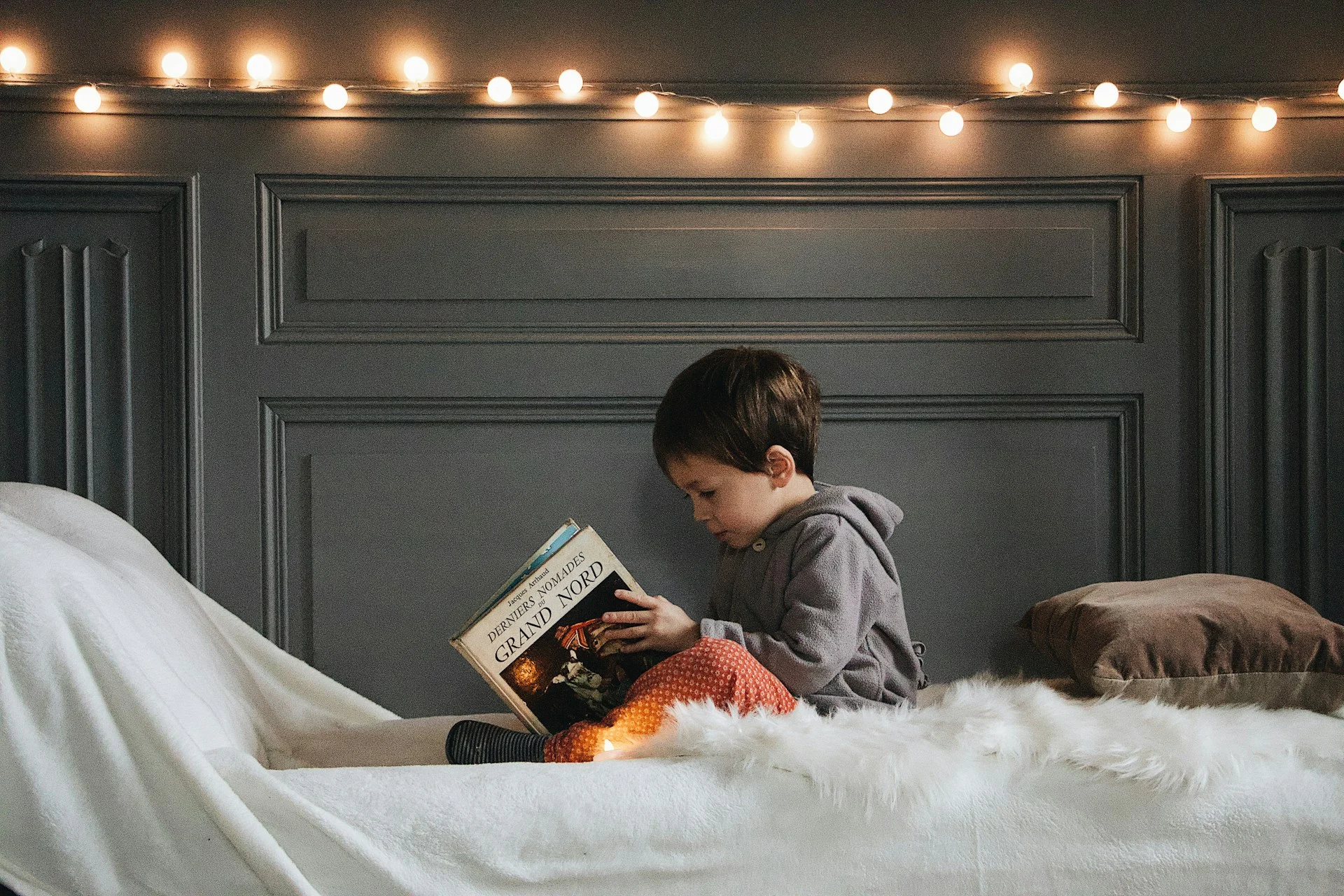
A parent’s daughter finished her phonics games and had nothing to read next, so they built Yara Reads, a free open-source phonics reader where every word in a story is one she can already sound out. It was shared on Hacker News on 19 October 2026, and the clever part isn’t the app itself. It’s the checker that stops any story from using a sound the child hasn’t learned yet.
Key takeaways
- Yara Reads is a free web app for children who have just learned their phonics sounds. You don’t need an account to read.
- Tap a word and it breaks into its sounds. A speaker button lights each sound in turn, then says the whole word.
- A word-by-word checker rejects any story that uses a sound the child hasn’t learned yet.
- The code is MIT-licensed. The stories and pictures are CC BY 4.0.
- Parents can connect an AI agent over MCP to write new stories inside their child’s sound set.
What is Yara Reads, and why was it built?
The developer, who posts on GitHub as finereli, explained the problem in their Show HN post. Their 6-year-old daughter, Yara, had worked through the basic phonics in Teach Your Monster to Read but found it repetitive. She was ready for real stories but still needed help sounding words out.
The parent also wanted her to have the experience of sitting and reading by herself. So they built a reader. Yara’s 12-year-old brother, Tom, wrote the first story, and the parent says it ends on a cliffhanger.
If you haven’t met it, Teach Your Monster to Read is a phonics game from the Usborne Foundation, a charity, made with academics at the University of Roehampton. It’s a common first step for kids in the UK. Yara Reads is built for the step after it.
How does the open-source phonics reader help a child sound out words?
Every word on the page can be tapped. When the child taps one, small markers show how the word splits into phonemes, the single sounds that make up spoken words. According to the project’s README, there are three kinds of marker:
| Marker | What it shows | Example |
|---|---|---|
| Dot | One letter making one sound | the c, a and t in “cat” |
| Bar | Two letters making one sound (a digraph) | “sh”, “ee” |
| Arc | A split vowel, where an e at the end changes an earlier vowel | a_e, as in “cake” |
A speaker button then lights each sound in order and says the blended word. One limit is deliberate: the app never reads a whole page aloud. It helps with the one word the child is stuck on, then gets out of the way.
Think of it as training wheels that only come down when the bike wobbles. The child still does the reading.
Why the word checker is the smartest part
Books written for early phonics are called decodable texts: almost every word uses only letter-sound patterns the child has already been taught. Writing them is harder than it looks, because English spelling is full of traps.
Yara Reads checks each story by pronunciation, not spelling. “Cake” fails if the child hasn’t learned the split a, even though every letter in it looks simple. Running npm run check flags every word the child can’t read yet.
The README is firm about one rule. If a story fails, you rewrite the sentence. You don’t make it pass by switching on more sounds. A file called docs/vocabulary.md lists which sounds to teach next, so the library can grow as the child does.
Parents can turn sounds and “tricky words” on or off. Tricky words are common words like “the” that break the usual rules. Any word with an unlearned sound gets a dotted underline, and the new sound shows up in purple.
Do decodable books actually work?
The research is more mixed than the enthusiasm. Literacy researcher Timothy Shanahan, in a review he updated on 1 June 2024, found that decodable texts help children practise their phonics, mostly for a short period in first grade. He also found that phonics programmes succeed with or without them.
One 2004 study he cites, by Jenkins and colleagues, found no difference between texts that were 11% decodable and texts that were 85% decodable. Shanahan’s advice is to mix decodable books with ordinary ones and to keep the decodable practice limited.
My view: that fits how Yara Reads is designed. It’s a bridge for a child who has the sounds but not the stamina, not a replacement for a library card. Use it alongside real picture books, not instead of them.
What’s under the hood?
- Hosting: Cloudflare Workers with static assets, and no build step.
- Data: D1 (Cloudflare’s SQLite database) for stories and R2 for pictures.
- Speech: Cloudflare Workers AI says whole words. The single sounds are recordings of the developer’s own voice, which aren’t included in the repo.
- AI agents: Model Context Protocol (MCP), an open standard that lets assistants such as Claude or ChatGPT use outside tools.
- Offline-friendly: It’s an installable web app (PWA). When you’re signed out, your sounds and progress stay in your browser.
The MCP link is the interesting part. A connected agent can write a story using only your child’s sounds, run the checker on its own text, add pictures and show you the result. It can also type in books you already own. Those books are visible only to your account.
How do you try it or run your own copy?
Most parents can simply open the hosted version at yarareads.finereli.com and start reading. You don’t need an account.
Developers can clone the repo, create a D1 database and an R2 bucket with Wrangler (Cloudflare’s command-line tool), apply the migrations and run npx wrangler dev. Your Cloudflare account needs Workers AI turned on. To use your own sign-in, you replace just two files: public/login.js and src/verify-login.js.
Adding a story is easy. Copy content/stories/toby-1.json, edit the pages, then run the checker. If you self-host without recordings, the sound tiles still light up but stay silent until you record your own with tools/sounds-record.mjs.
What happens next
There’s no formal roadmap. The signs point to a growing library of stories, more sounds added from the vocabulary queue, and other families forking the project. The README ends by inviting people to “take this and make it yours”.
The stories are licensed CC BY 4.0, so one realistic future is a shared, remixable shelf of decodable stories written by parents, teachers and older siblings. A starter library written by kids for kids would be worth watching.
FAQ
Is Yara Reads free?
Yes. The hosted app is free and works without an account. The code is MIT-licensed, and the stories and pictures are CC BY 4.0.
Does the app read stories aloud to my child?
No, not whole pages. It sounds out and says a single word only when your child taps it, so the child still does the reading.
Do I need AI to use it?
No. AI agents are optional and connect over MCP to write or import stories. The core reader, the sound markers and the word checker all work without AI.
If you have a new reader at home, open one of the stories with them, let them tap only the words they get stuck on, and see how far they get on their own.
Leave a comment