
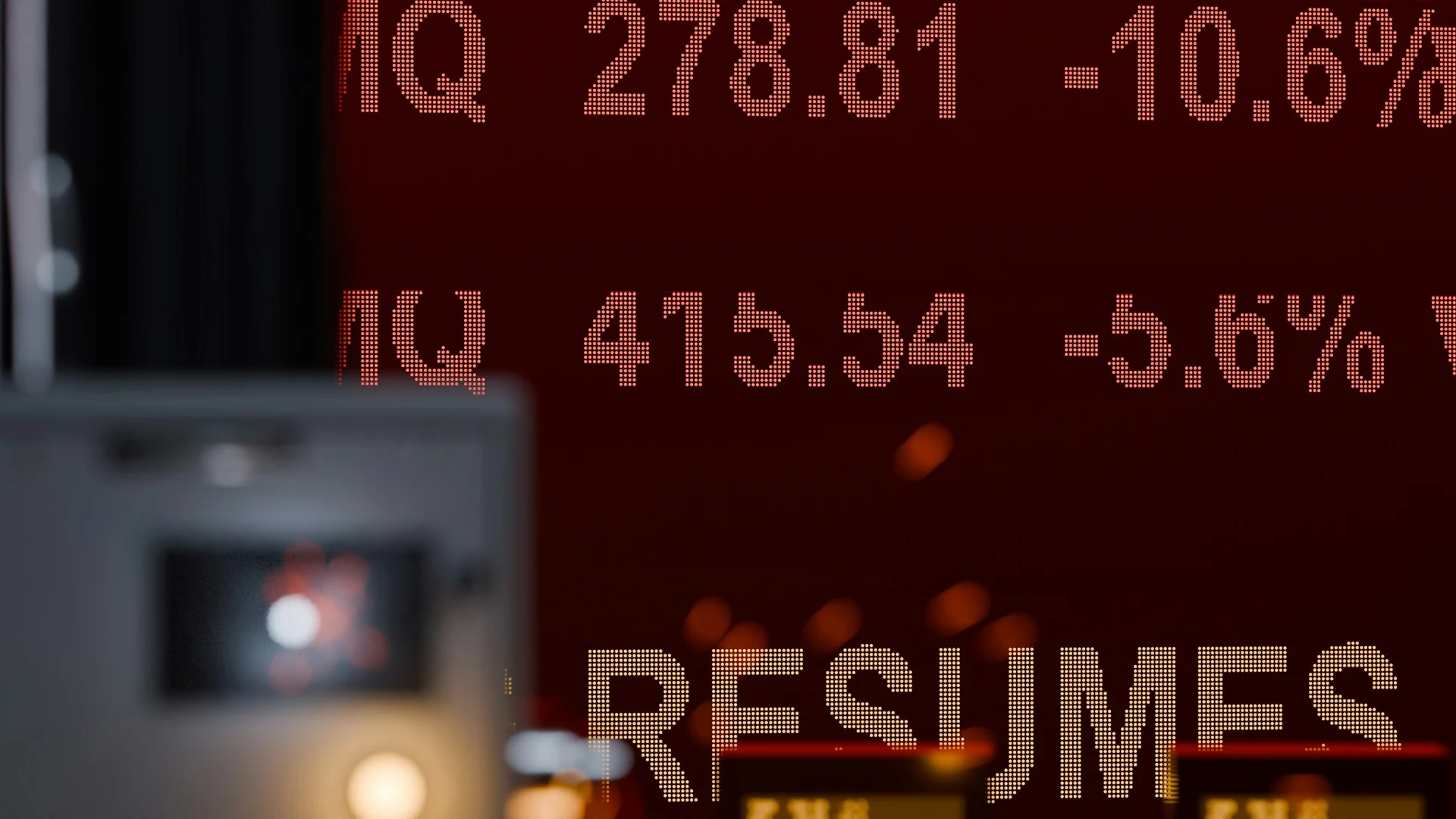
Netflix stock has erased more than $135 billion in market value in 2026, and Wall Street’s fix is not a new pricing plan or a clever app feature. It wants the company to do the thing it once did better than anyone else: make shows and films that everyone is talking about.
That is the argument Bloomberg made on 20 October 2026, the day Netflix was due to report third-quarter results. Here is how the streamer got here, and what has to change.
Key takeaways
- Netflix shares closed at about $70 on 16 October 2026, down from $93.76 at the end of 2025 and roughly 35% below their mid-April high.
- Jefferies estimates members watched 49 hours a month in the first half of 2026, down from 66 hours in the first half of 2023.
- Netflix announced about 1,000 job cuts (around 6% of staff) and replaced content chief Bela Bajaria with former Disney executive Peter Rice.
- At least five brokers cut their price targets in October 2026, and Wells Fargo moved to Underweight with a $57 target in September.
Why has Netflix stock fallen so far in 2026?
The short answer is time. Netflix sells subscriptions, but what it really competes for is your evening, and in 2026 it has been losing more of those evenings.
As The Next Web reported, the Jefferies estimate puts monthly viewing per member at 49 hours, down by a quarter in three years. App tracker Apptopia found US cancellations rose 16.6% year on year in the third quarter, about twice the pace of the previous three quarters. US and Canadian app downloads fell 20%.
Revenue is still growing. Analysts expected third-quarter revenue of about $12.88 billion, up roughly 12% year on year. But investors pay for the future, and fewer hours watched today can mean weaker pricing power and ad sales tomorrow.
Who is taking viewers away from Netflix?
Mostly YouTube. According to Nielsen data cited by Reuters, YouTube accounts for nearly twice as much US TV viewing time as Netflix. Short, cheap creator videos are eating into time that used to go to scripted series and films.
Live sport is the other pull. Amazon Prime Video and HBO Max have both added more games, and the 2026 FIFA World Cup, held in the US, Canada and Mexico in June and July, kept many people away from Netflix for weeks. Analysts also blame a weaker slate than in 2025. Think of a bookshop where the bestseller table has gone half-empty: people still walk in, but they leave sooner.
Rivals are not standing still either. Apple keeps leaning on proven hits, as with the return covered in our piece on Ted Lasso season 5.
What has Wall Street said about Netflix?
The mood has soured quickly. In mid-September 2026, Wells Fargo downgraded the stock to Underweight, meaning it expects it to lag the market, and cut its target from $80 to $57. Its base case has hours watched on Netflix’s top-100 originals falling about 21% in the second half of 2026. Then came a wave of October target cuts, compiled by Yahoo Finance:
| Broker | Old target | New target |
|---|---|---|
| Wedbush | $105 | $90 |
| BMO Capital | $135 | $125 |
| KeyBanc | $92 | $85 |
| Morgan Stanley | $83 | $80 |
| Barclays | $80 | $70 |
Notice that most of these targets still sit above a $70 share price. Analysts have not given up on Netflix. They are marking down how much they will pay for growth until they see proof it is coming back.
Can Peter Rice bring back the Netflix blockbusters?
That is the bet. In mid-October 2026, Netflix said it would cut about 1,000 jobs, its biggest round of layoffs since 2022. Two days later it named Peter Rice as chief content officer, starting 26 October 2026, replacing Bela Bajaria after about a decade at the company, as exchange4media reported.
Rice ran Walt Disney Television and, before that, held senior roles at 21st Century Fox, including Fox Searchlight. He will oversee series, films and live events worldwide. Bajaria’s era gave Netflix Squid Game and Bridgerton, so the bar for her successor is high.
The market was not convinced on day one: the stock fell nearly 3% when the change was announced. Co-CEO Ted Sarandos has admitted that Netflix “is not growing as fast as I want us to,” and has pointed to live programming as one way to speed things up.
Does fewer hours watched really matter?
Netflix says it matters less than it looks. Co-CEO Greg Peters has argued that hours do not map neatly onto revenue, because not every hour is worth the same. A prime-time hour of a hit drama keeps people subscribed; an hour of a forgotten filler show does not.
Our view, as opinion: that argument actually supports the bull and bear cases equally. If hit hours are what count, then a thinner slate of hits is exactly the problem. Engagement numbers are also easy to dress up, a theme we explored in why inflated user metrics should worry investors. Netflix moving its “What We Watch” engagement report to once a year has not helped that perception.
What happens next
The third-quarter report on 20 October 2026 is the first test. Netflix had guided to $12.86 billion in revenue and earnings of $0.82 per share, and consensus sat close to that. KeyBanc analyst Justin Patterson listed what he wants: more spending on content, product changes, further cost cuts, and possibly a first-ever dividend.
The bigger test will take longer. Rice’s first greenlights will not reach screens for many months, so 2027 is the realistic window for judging whether Netflix can make cultural events again. Live sport is the faster lever: Netflix has already picked up 2030 World Cup rights in Spain and Andorra.
FAQ
How much has Netflix stock fallen in 2026?
Shares closed at about $70 on 16 October 2026, down more than 25% from $93.76 at the end of 2025. Bloomberg puts the market value lost this year at more than $135 billion.
Who is Netflix’s new chief content officer?
Peter Rice, a former chairman of Walt Disney Television and a longtime 21st Century Fox executive. He starts on 26 October 2026, replacing Bela Bajaria.
Why are people watching less Netflix?
Analysts point to YouTube’s growing share of TV time, live sport on rival services, the 2026 World Cup, and a weaker slate of Netflix originals than in 2025.
Next step: when Netflix publishes its results, skip the headline earnings number and look at what it says about engagement and its 2027 slate. That is where this story turns.
This article is for information only and is not investment advice.
1 comment